Schema Markup for AI Search: What to Add and Where
A page by page guide to the structured data that helps search engines and AI assistants understand your business, with a JSON-LD example, common mistakes and how to test it.
Read the guideA clear look at llms.txt: where it came from, what it is designed to do, what Google and AI companies have said about it, and whether it is worth ten minutes of your time.
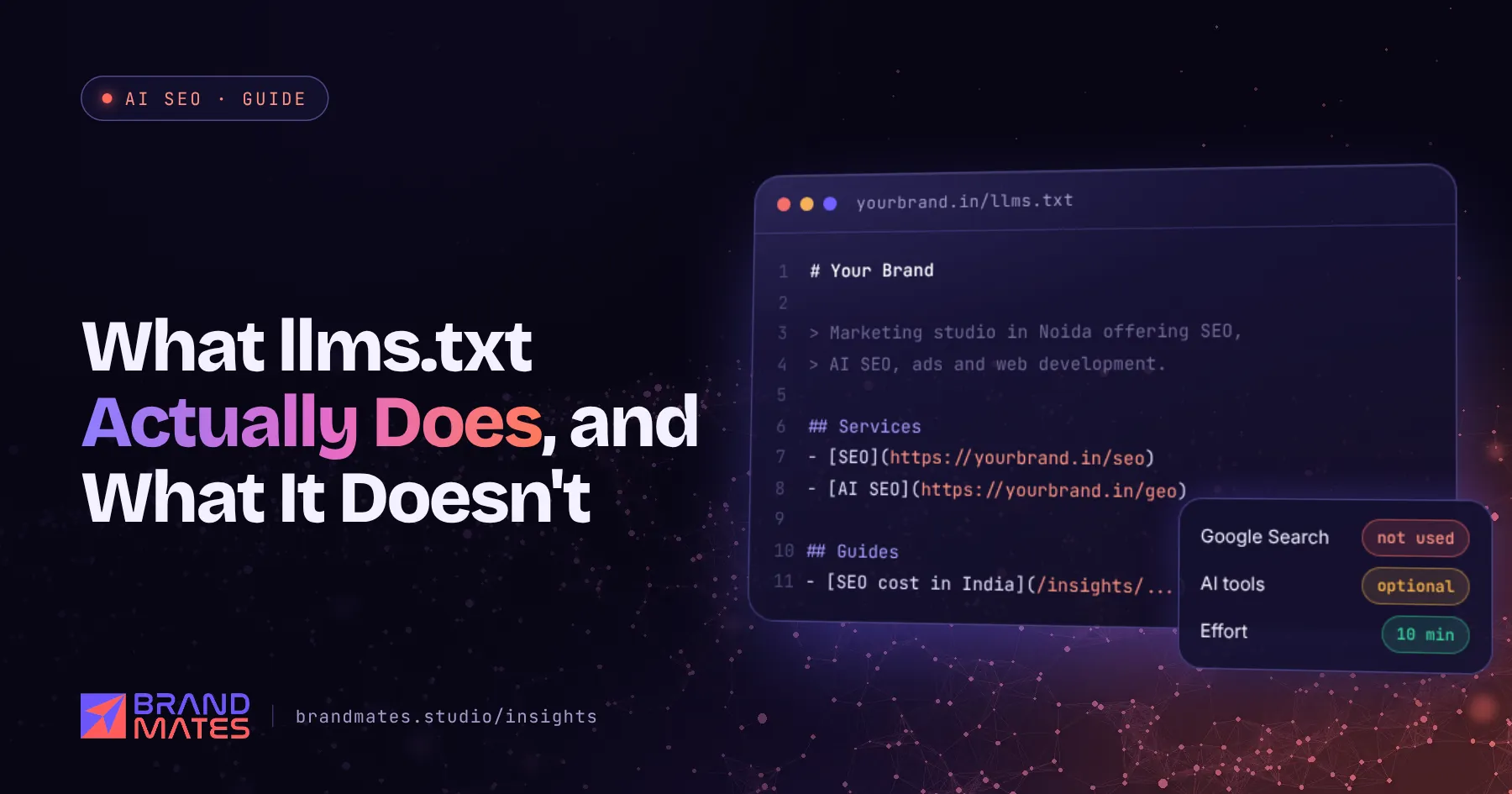
Few topics in AI search create as much confusion as llms.txt. Some agencies sell it as the key to ChatGPT visibility. Others dismiss it as useless. Both are wrong in different ways.
This guide explains what llms.txt is, where it came from, what it does, what it does not do and whether your business should add one. It is part of our complete AI SEO guide, where llms.txt sits in the technical step as a small extra rather than a lever.
llms.txt is a proposed plain text file, written in Markdown, that sits at the root of a website, for example https://example.com/llms.txt. It gives large language models and AI tools a short, structured summary of the site and links to its most useful pages.
It was proposed by Jeremy Howard of Answer.AI in September 2024. The reasoning was simple: websites are built for human browsers, full of navigation, scripts and advertising, while an AI tool reading a site in real time has limited space to work with. A clean summary with links to the important pages saves it from wading through everything else.
The proposal also describes an optional companion file, llms-full.txt, which contains the full text of the key pages in one document. That variant is mostly used by software documentation sites.
It is important to be clear about what llms.txt is not: it is not an official web standard, and no major search engine or AI company has adopted it as a requirement.
The format is deliberately simple. A title, a one paragraph summary, optional notes and lists of links grouped under headings. Here is a short example for an agency:
# BrandMates Studio

> BrandMates Studio is a marketing, design and product studio based in Greater Noida, India, offering SEO, AI SEO, performance marketing, content, web development and ecommerce services.

## Services

- [Services overview](https://brandmates.studio/services.html): All services with scope and process
- [Contact](https://brandmates.studio/contact.html): Enquiries and free audit requests

## Case studies

- [Drone light show SEO](https://brandmates.studio/case-studies/skylight-shows.html): Organic traffic and enquiry growth for an events company
- [Shopify SEO](https://brandmates.studio/case-studies/nikashi-smart-tv.html): Organic growth for a smart TV brand

## Guides

- [AI SEO guide](https://brandmates.studio/insights/ai-seo-guide.html): How brands get recommended by AI assistants
- [SEO guide](https://brandmates.studio/insights/seo-guide.html): The complete SEO playbook for businesses

## Optional

- [About](https://brandmates.studio/about.html): Team, values and industries served
The Optional heading has a specific meaning in the proposal: tools with limited space can skip anything listed under it.
This is where most of the confusion lies.
It does not help you rank in Google. Google's guidance for site owners on generative AI search, published in May 2026, says you do not need new machine readable files, AI text files or Markdown to appear in Google Search, and that Google Search ignores them. Adding llms.txt neither helps nor harms your rankings, AI Overviews or AI Mode visibility. Google's John Mueller had earlier compared llms.txt to the old keywords meta tag.
It has no confirmed effect on AI citations. No major AI search provider, including OpenAI, Perplexity, Google or Microsoft, has publicly confirmed that it uses llms.txt to decide which sources to cite or recommend.
It does not control crawling. llms.txt cannot block or allow any bot. That is the job of robots.txt. If OAI-SearchBot or PerplexityBot is blocked in robots.txt, an llms.txt file will not bring you back into those answers.
It is not a training opt out. If you want to limit how your content is used for model training, that is handled through robots.txt rules for crawlers such as GPTBot, ClaudeBot and Google-Extended, not through llms.txt.
| File | Purpose | Who reads it | Affects Google rankings? |
|---|---|---|---|
| robots.txt | Tells crawlers which parts of the site they may access | All major search and AI crawlers | Indirectly, by controlling crawling |
| sitemap.xml | Lists the URLs you want discovered and indexed | Search engines, including Google and Bing | Indirectly, by helping discovery |
| llms.txt | Summarises the site and its key pages for AI tools | Some AI tools and agents; not Google Search | No |
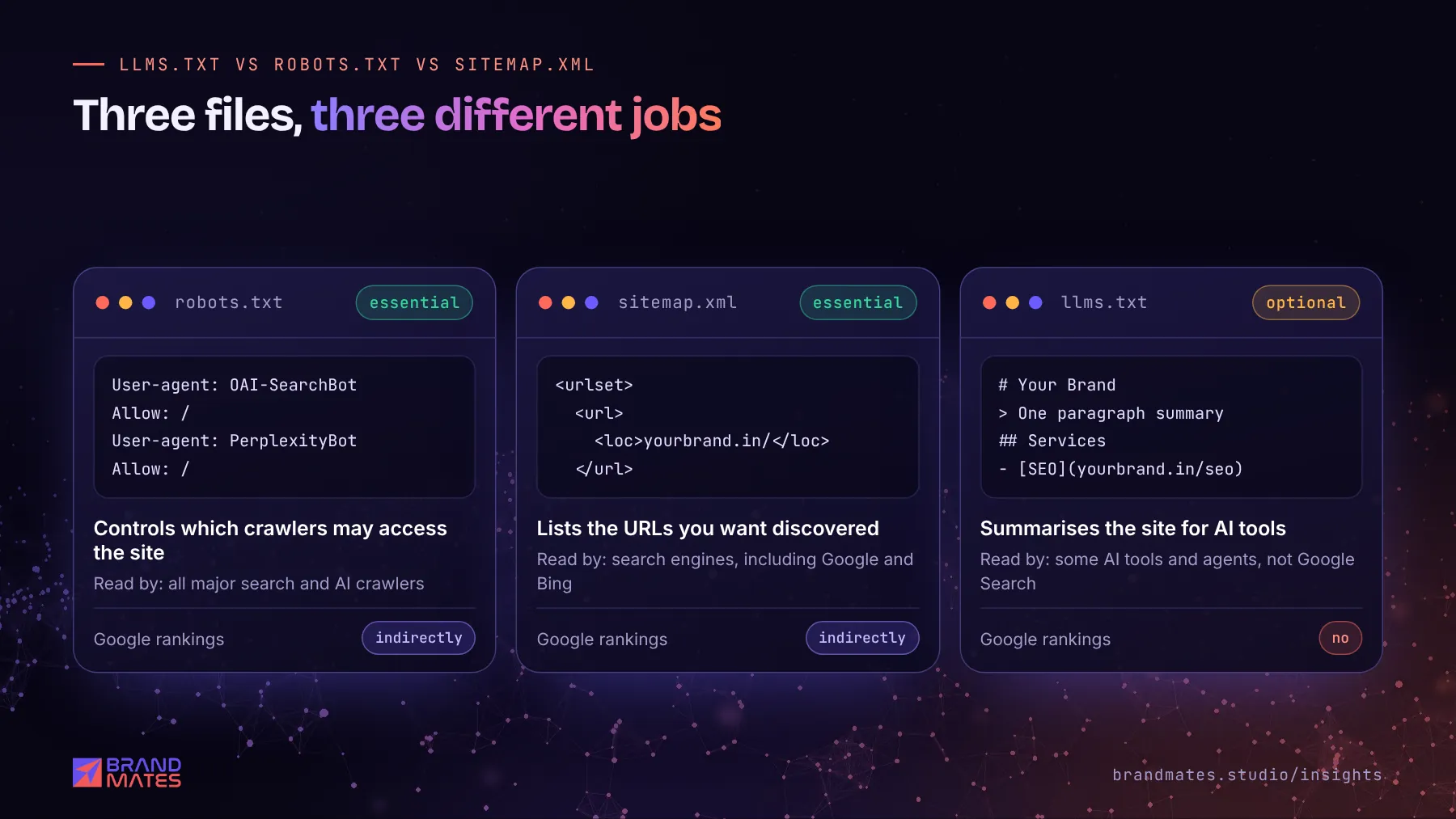
The first two are essential for every business website. llms.txt is optional. Our technical SEO checklist covers how to get robots.txt and sitemaps right.
Want to know if ChatGPT recommends you?We test your buyer questions across ChatGPT, Gemini, Perplexity and AI Overviews, then show you exactly what to fix.
There are still sensible reasons to add one.
AI agents and browsing tools. Chrome's Lighthouse 13.3, released in May 2026, added an Agentic Browsing category that checks whether a site provides llms.txt. Lighthouse describes it as a machine readable summary that helps browser based AI agents understand a site's structure faster. A missing file is marked as not applicable rather than a failure, and the check is separate from SEO.
Tools that read your site on request. When a user pastes your URL into an AI tool and asks questions about your business, a clean summary may help it find the right pages.
Documentation and technical products. Software companies with large documentation sites use llms.txt and llms-full.txt so that coding assistants can read their docs efficiently. This is where adoption is strongest.
It forces useful clarity. Writing a one paragraph description of your business and choosing your ten most important pages is a worthwhile exercise in itself. The same description should appear in your Organization schema and across your profiles.
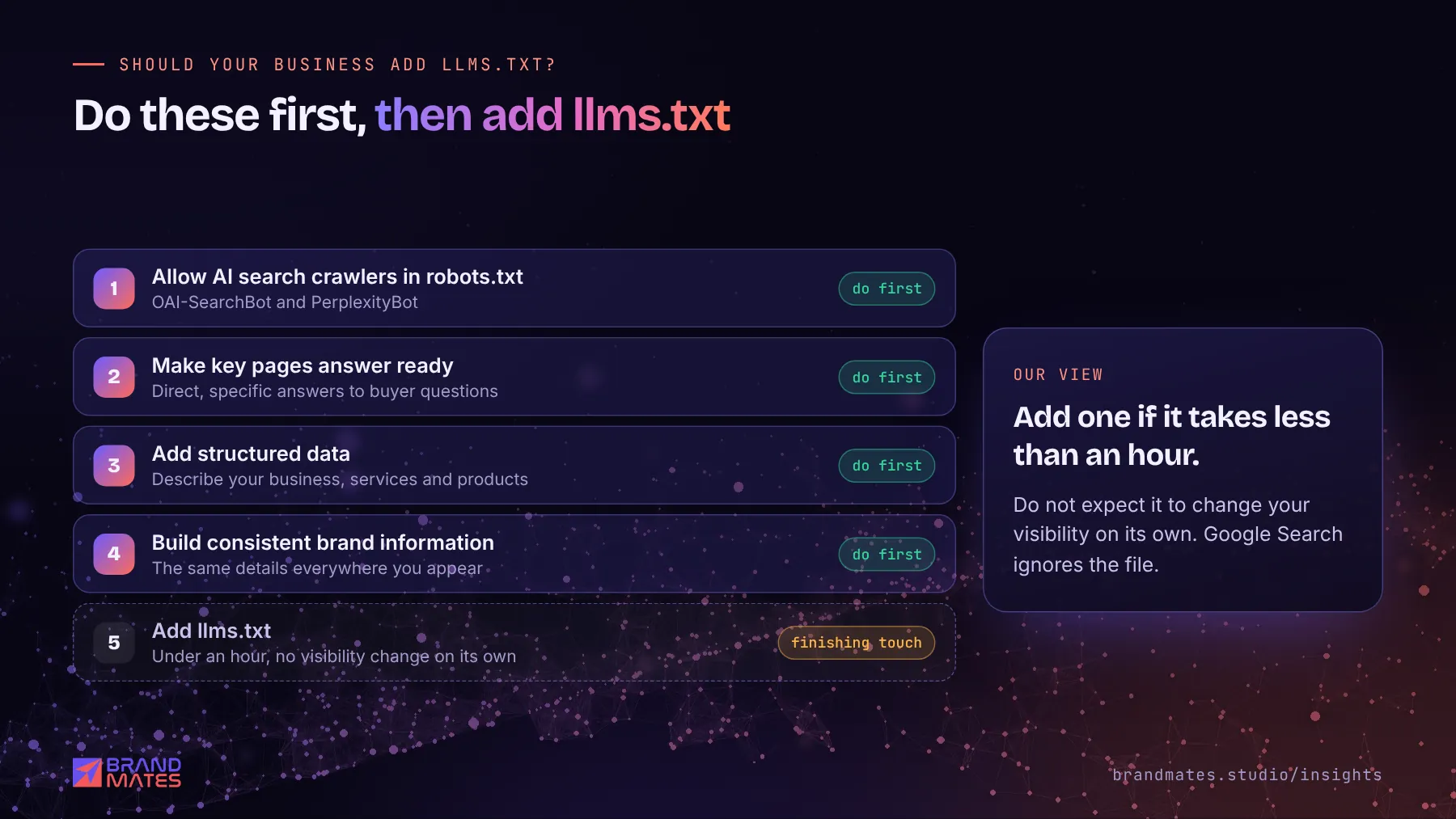
Our view: add one if it takes less than an hour, and do not expect it to change your visibility on its own.
Put these first, because they have far more effect:
Then add llms.txt as a tidy finishing touch.
llms.txt, using the format above.yourdomain.com/llms.txt. On WordPress this is usually done through your host's file manager or an SEO plugin that supports it. On hosted builders such as Wix and Shopify, check the platform's current options, which may involve an app or a redirect.For a drone survey and geospatial company on Wix, llms.txt was one part of a wider technical scope that also covered AI crawler configuration, NLWeb setup, sitemap resubmission and service content written around procurement questions. The file was the smallest part of the work; the crawler access and content did the heavy lifting. See the geospatial AI SEO case study.
If you are unsure whether AI tools can access and understand your site, request a free SEO and AI visibility audit. We check robots.txt, AI crawler access, structured data, llms.txt and how assistants currently describe you. You can also explore our AI SEO services.
llms.txt is a proposed Markdown file at the root of a website that gives AI tools a short summary of the site and links to its most important pages. It is meant to help language models and AI agents find useful content without reading every page.
No. Google's May 2026 guidance for site owners says Google Search ignores AI text files such as llms.txt, and that adding one neither helps nor harms rankings or visibility in Google's AI features.
There is no public confirmation from OpenAI that ChatGPT uses llms.txt to choose sources. ChatGPT search relies on its crawler, OAI-SearchBot, and on search indexes, so allowing that crawler and publishing clear content matter far more.
No. robots.txt tells crawlers which parts of a site they may access, and crawlers respect it. llms.txt only describes the site and lists key pages. It cannot allow or block any bot.
No. Google has said it ignores the file for Search, so it does not affect rankings. The only risk is wasted effort if llms.txt is prioritised over crawler access, structured data and content, which matter far more.
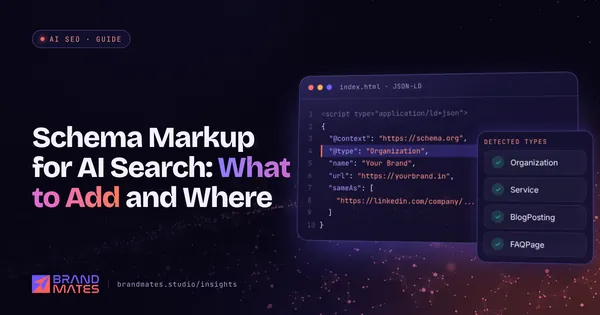
A page by page guide to the structured data that helps search engines and AI assistants understand your business, with a JSON-LD example, common mistakes and how to test it.
Read the guide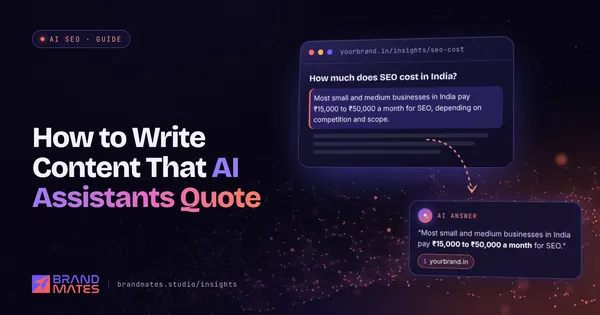
The structure, formatting and writing habits that make a page easy for ChatGPT, Gemini and Perplexity to extract, quote and cite, with a before and after rewrite.
Read the guide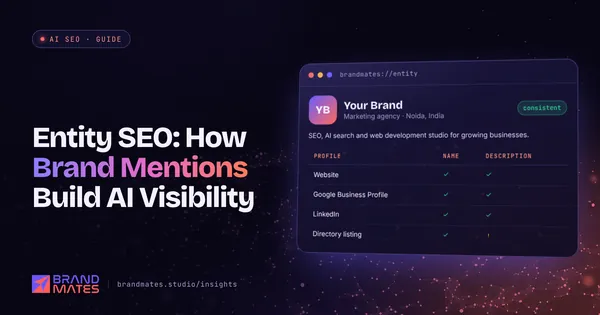
Why AI assistants recommend brands they can recognise and trust, and how to build the consistent descriptions, schema, mentions and reviews that make your brand an entity.
Read the guideTell us where your brand needs to go. We'll come back with a free audit, a plan and a realistic timeline, usually within two working days.